
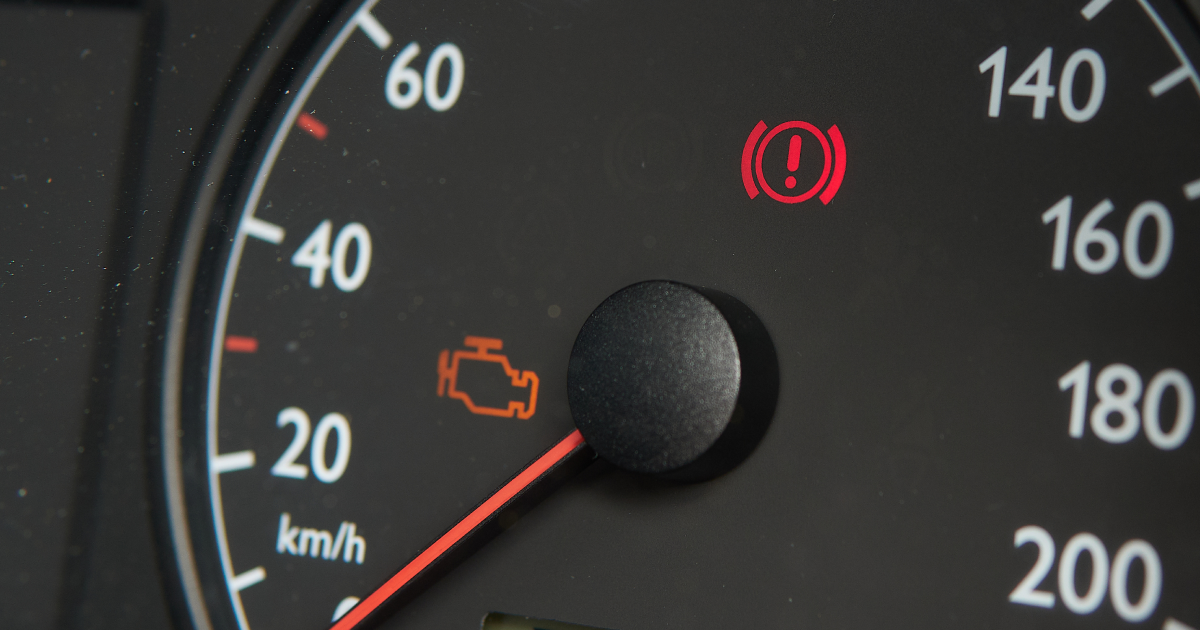
Your Check Engine Light Is On—Here’s What to Do When that yellow engine warning light pops up on your dashboard, it’s easy to panic or ignore it. Don’t do either. A check engine light means your vehicle’s onboard diagnostic system has detected a problem—sometimes minor, sometimes serious. The only way to know for sure is to get it scanned and diagnosed by someone who knows what they’re looking at. At A&D Repair in Haslett, we run that diagnostic every day for drivers across mid-Michigan, and we’ll tell you straight what’s happening under your hood. What Does a Check Engine Light Actually Mean? Your vehicle constantly monitors emissions, engine performance, and transmission function. When something falls outside normal range, the computer triggers that light. It could be something as simple as a loose gas cap, or it could signal a failing oxygen sensor, a misfire, a catalytic converter issue, or transmission trouble. The point is: you can’t know without plugging in a diagnostic scanner and reading the code. That’s where we come in. We’ll connect your vehicle to our diagnostic equipment, pull the trouble code, and explain what it means in plain English—not dealer jargon. Then we’ll recommend the repair that actually needs to happen. Common Reasons for Check Engine Lights Oxygen sensor failure – affects fuel economy and emissions Loose or faulty gas cap – one of the easiest fixes Catalytic converter issues – more serious and expensive Engine misfires – often spark plugs or ignition coils Mass airflow sensor problems – impacts engine performance Transmission trouble – requires prompt attention Why You Shouldn’t Ignore It Ignoring a check engine light won’t make it go away, and it can cost you more money down the road. Driving on a misfiring engine or with a failing oxygen sensor burns extra fuel and puts stress on other components. Some problems get worse the longer you wait. Plus, if you’re planning to sell or trade in your vehicle, that light is a red flag to any buyer. The sooner you get it diagnosed, the sooner you know what you’re dealing with and can make an informed decision about the repair. Our Engine Diagnostic Process When you bring your vehicle to A&D Repair, here’s what happens: We connect a diagnostic scanner to your vehicle’s computer We pull the trouble code and explain what it means We perform a visual inspection of related components We give you a clear recommendation and honest estimate You decide what to do next—no pressure We serve Haslett, Lansing, and the surrounding mid-Michigan area with the same straightforward approach: find the problem, tell you what it is, and fix it right. We Handle More Than Just Check Engine Lights While engine diagnostics are our specialty, A&D Repair is a full-service shop. We handle brakes, suspension work, battery replacement, AC service, oil changes, and factory-scheduled maintenance. If your check engine light is tied to a sensor we can replace or an issue we can repair, we’ll do it here. No guessing, no unnecessary work. FAQ: Check Engine Light Questions Is it safe to drive with a check engine light on? It depends on the code. If the light is solid (not flashing), it’s usually safe to drive to a repair shop, though you should get it diagnosed soon. If the light is flashing , that signals a serious engine misfire—stop driving and get it towed. A flashing light means your catalytic converter or engine could be damaged if you keep going. Can I clear the check engine light myself? You can clear it with a scanner or by disconnecting the battery, but that only turns off the light—it doesn’t fix the problem. The code will come back, and you’ll still have the underlying issue. Get it diagnosed first. How much does a check engine light diagnosis cost? The diagnosis itself is usually affordable. The repair cost depends entirely on what the code reveals. That’s why we always give you an honest estimate before we start work. Get Your Check Engine Light Diagnosed Today If you’re seeing that yellow light on your dashboard in Haslett or anywhere in mid-Michigan, don’t wait and don’t guess. Bring your vehicle to A&D Repair and let us tell you exactly what’s going on. We’ll run the diagnostic, explain the results, and give you a fair price to fix it. Call or stop by to schedule your appointment today.
My Car Is Leaking Oil From the Front: What It Means and How to Fix It You pull out of your driveway and notice a dark, slick spot on the ground under the front of your car. That sinking feeling hits: Is my car leaking oil? The honest answer is that it depends. An oil leak can be a $20 fix (a loose drain plug) or a $1,200 repair (a timing cover gasket). But catching it early almost always means a cheaper, simpler repair. Here’s what you need to know. First: Confirm It’s Actually Engine Oil Before you panic, make sure the fluid is actually oil and not something else.

Car Interior Cleaning: The Ultimate Guide to Making It Look Brand New You spend hours inside your car every week: commuting into Lansing, running errands in Okemos, dropping the kids off near Haslett Road, or grabbing lunch near the Meridian Mall on Okemos Road. But how often do you actually clean it properly? Between coffee spills, road salt tracked in during Michigan winters, muddy boots from Hawk Island Park, and the general accumulation of everyday life, your car’s interior quietly collects grime that dulls its look and chips away at its resale value. This guide covers everything you need to know about cleaning your car’s interior, from a quick weekend refresh to a proper deep clean. Step 1: Start With a Full Declutter Before you clean anything, empty the car completely. That means the glovebox, cup holders, door pockets, under-seat storage, and the trunk. A cluttered car hides dirt and makes every cleaning step take twice as long. Pro tip: Keep a small collapsible bin in your trunk for ongoing clutter control between deep cleans. Step 2: Vacuum Everything Thoroughly Vacuuming is your foundation. Skip it and you’ll just be pushing dirt around. What you’ll need: – A vacuum with a hose and crevice attachment – Soft brush attachment for vents and dashboards – A cordless handheld vac is a great bonus Step-by-step: 1. Remove floor mats and vacuum them separately 2. Slide seats fully forward and backward to reach hidden areas 3. Use the brush tool on vents, seams, and around buttons 4. Do a final pass over the seats and trunk Pro tip: Sprinkle baking soda on carpets before vacuuming to neutralize odors. This is especially helpful after a Michigan winter full of wet boots and road salt tracked in from Trowbridge Road or Lake Lansing Road. Step 3: Clean Upholstery and Seats Cloth seats: Mix 1 part white vinegar, 1 part water, and 1 tablespoon of dish soap. Spray lightly, scrub with a soft brush, then blot dry with a microfiber towel. Avoid soaking the fabric because moisture trapped in seat cushions leads to mildew. Leather seats: Use a pH-balanced leather cleaner or a mild soap solution. Wipe gently with a microfiber cloth. Finish with a leather conditioner to restore suppleness and prevent cracking, especially important given Michigan’s dry winters and humid summers. Optional upgrade: A handheld steam cleaner can lift deep-set stains without harsh chemicals. Step 4: Wipe Down All Hard Surfaces Dashboard, center console, door panels, and cup holders collect dust, hand oils, and leftover road grime. What you’ll need: – Microfiber towels – Interior detailer spray (or a DIY mix of water and a few drops of dish soap) – A soft detailing brush for tight spots Steps: 1. Spray cleaner onto the towel, not directly onto surfaces 2. Wipe in smooth strokes 3. Use a brush to loosen grime from cup holders, buttons, and vents 4. Dry with a clean microfiber cloth Avoid: Household all-purpose cleaners. They can damage dashboard finishes and leave greasy residue. Step 5: Windows, Mirrors, and Screens Clean windows don’t just look good. They improve visibility on bright Michigan days and in nighttime rain coming off I-96 or during spring storms rolling through Meridian Township. For windows: Use an automotive glass cleaner and a dedicated glass towel. Roll the window down slightly to clean the top edge. For touchscreens: Use a dry microfiber cloth or a screen-safe wipe. Avoid alcohol-based cleaners because they damage anti-glare coatings. Pro tip: Clean windows last, after all other interior surfaces are done, to catch any residue that settled on the glass. Step 6: Deodorize and Refresh the Air Even a clean car can smell stale. Target odors at the source rather than masking them with a pine-scented tree. Effective methods: – Baking soda: Sprinkle on carpets, let sit 15 minutes, vacuum up – Charcoal bags: Naturally absorb odors over several days – AC refresh: With the AC running on recirculate, spray a disinfectant into the air vents to clean the ducts For pet owners, smokers, or cars with persistent odors, an ozone generator (available at most auto parts stores in the Lansing area) provides deeper treatment. Step 7: Protect and Maintain Now that it’s clean, keep it that way. Weekly: Quick vacuum of high-traffic areas and a wipe of the dashboard. Monthly: Empty trash, check air fresheners, apply protectant to leather and plastics. Seasonally: Deep-clean carpets and mats (especially after Michigan winters), and replace the cabin air filter. Bonus tip: Rubber or all-weather floor mats are far easier to clean than carpet mats, and they protect your carpets from salt, mud, and slush all year long. DIY vs. Professional Detailing

Why Is My Car Shaking? 7 Common Causes and How to Fix Them There’s nothing quite as unsettling as feeling your car start to shake or wobble , especially when you’re cruising down US-127, passing the Meridian Mall on Okemos Road, or navigating the stop-and-go on Lake Lansing Road. One minute your ride is smooth and the next, your steering wheel is vibrating and your nerves follow suit. The good news? Most causes of a shaking car are common, diagnosable, and fixable if you know what to look for. By the end of this guide, you’ll know exactly why your car might be shaking, how to identify the cause, and what to do about it. And if you’d rather let the experts handle it, A&D Auto Repair in Haslett, MI has been diagnosing vehicle vibration for Greater Lansing drivers since 1992. 1. Unbalanced or Damaged Tires If your car shakes above 50 mph , unbalanced or unevenly worn tires are the number one suspect. When tire weight is not evenly distributed, vibration transfers up through your suspension and into your steering wheel. You’ll often feel it strongest at highway speeds on routes like I-96 or US-127. How to fix it: – Get your tires balanced and rotated (every 6,000 to 8,000 miles) – Inspect for bent rims or bulges in the tire wall – Replace tires if tread wear is uneven or below 2/32″ Pro tip: If the steering wheel shakes, it’s usually the front tires. If your seat vibrates, it’s often the rear. 2. Worn Brake Rotors or Pads Does the shaking get worse when you press the brakes? That’s a classic sign of warped rotors or uneven brake pad wear. Rotors endure extreme heat and friction, and over time they can warp slightly, creating a pulsation you feel through the pedal and steering wheel. How to fix it: – Have your rotors resurfaced or replaced – Always replace brake pads in pairs (front or rear axle) – Check calipers for uneven pressure Safety note: Never ignore brake-related vibration. It directly affects your stopping distance, especially on busy corridors like Grand River Avenue or Trowbridge Road. 3. Engine Misfire or Mount Issues If your car shakes while idling , the culprit might be engine-related. An engine misfire happens when one or more cylinders fail to ignite properly, often caused by bad spark plugs, fuel injectors, or ignition coils. If the shaking worsens under acceleration but smooths out while cruising, a worn engine mount may be the issue. Fix checklist: – Replace spark plugs and air filters – Check fuel injectors and ignition coils – Inspect engine mounts for cracks or loose bolts 4. Suspension or Steering Problems Your suspension system absorbs road bumps and stabilizes steering. Michigan roads are notoriously rough, and if any suspension component like ball joints, tie rods, or struts wears out, your car will feel unstable or bouncy. Drivers on Okemos Road and Marsh Road know this feeling well after every freeze-thaw cycle. Symptoms to watch for: – Steering wheel shakes on rough roads – Uneven tire wear – Clunking noises when turning or braking How to fix it: – Inspect suspension bushings – Replace worn tie rods, struts, or control arms – Get a wheel alignment after any suspension work 5. Transmission or Drivetrain Issues When your car vibrates while accelerating , especially between gears, it could point to drivetrain issues such as worn CV joints, driveshaft imbalance, or failing transmission mounts. These issues make power delivery feel jerky or inconsistent. How to fix it: – Replace worn CV joints or unbalanced driveshafts – Check transmission fluid levels and quality – If vibration persists, schedule a drivetrain diagnostic 6. Tire Pressure or Alignment Problems Sometimes it’s the simplest issue: uneven tire pressure or poor alignment. If one tire is significantly underinflated, it throws off your vehicle’s balance. After a Michigan winter full of potholes on Hamilton Road and Hagadorn Road, it’s worth checking your alignment and tire pressure before spring driving picks up. Fix: – Check tire pressure monthly and before long trips – Maintain pressure per your vehicle’s owner manual – Schedule an alignment every 12 months or after major pothole impacts 7. Damaged Wheel Bearings or Axles If your car shakes and makes grinding or humming noises , it could be failing wheel bearings or damaged axles, especially after clipping a curb or hitting a deep pothole. Symptoms: – Grinding sound that increases with speed – Vibration during turns – A loose feeling in the steering wheel Fix: Replace the damaged wheel bearing or axle right away. A failed bearing can cause a wheel to seize while driving. Quick Diagnosis Chart

Transmission Repair in Haslett, MI: Signs, Costs and What to Expect Your transmission is one of the most complex and most expensive systems in your vehicle. It transfers engine power to your wheels, manages gear shifts, and keeps your car moving smoothly whether you’re merging onto US-127, crawling through traffic on Okemos Road near the Meridian Mall, or navigating the lights on Lake Lansing Road. When something goes wrong, drivers across the Greater Lansing area tend to have the same questions: Is it really that serious? Can I keep driving? How much is this going to cost? This guide answers all of them and explains what to look for before a small transmission issue turns into a major one. What Does a Transmission Actually Do? Every time you accelerate, decelerate, or shift gears, your transmission is at work. It takes power from the engine and delivers it to the drivetrain at the right ratio for your speed, essentially acting as the brain of how your car moves. Automatic transmissions do this seamlessly in the background. Manual transmissions put you in control. Either way, if the transmission fails, the car doesn’t move. 7 Warning Signs Your Transmission Needs Service Catching transmission problems early is the difference between a $300 fluid service and a $3,000 replacement. Watch for these warning signs: 1. Slipping Gears The engine revs but the car hesitates or doesn’t accelerate as expected. It may feel like the car briefly loses power between gear changes. This is one of the most common signs of a failing transmission. 2. Rough or Delayed Shifting Gears that clunk, bang, or hesitate when shifting, especially from park to drive or at highway speeds, signal internal wear or low fluid. 3. Shaking or Vibrating During Acceleration A transmission-related vibration usually feels different from tire or brake issues. It tends to happen specifically during gear changes or under load, like when accelerating from a stop on Grand River Avenue. 4. Transmission Warning Light Many modern vehicles have a dedicated transmission warning light. If yours comes on, or if the check engine light appears alongside shifting issues, get it scanned promptly. 5. Burning Smell A sweet, burnt smell from under the hood or underneath the car can indicate overheating transmission fluid. This is a sign the fluid is old, low, or contaminated. 6. Leaking Transmission Fluid Transmission fluid is typically red or reddish-brown. A puddle under the middle of your car (not the front) is a likely transmission fluid leak. Unlike engine oil, transmission fluid doesn’t get consumed, so any fluid loss means there’s a leak somewhere. 7. Won’t Engage or Move If you shift into drive or reverse and the car barely moves, or doesn’t move at all, you may be dealing with a severely worn transmission or a complete failure. What Transmission Service Looks Like at A&D Auto Repair Not every transmission issue means a full replacement. Here’s how we handle things: Fluid service: Old or contaminated fluid is drained and replaced. This is the most common transmission service and one of the best things you can do to prevent bigger problems down the road. Cost: $80 to $150. Transmission flush: A more thorough version of a fluid service that clears the entire system. Cost: $125 to $250. When the transmission itself is the problem: A&D’s approach is straightforward removal and replacement. We pull the old transmission and install a replacement unit. For most newer vehicles, that means a new transmission sourced directly from the manufacturer. For older vehicles, it typically means a quality rebuilt unit purchased from a trusted supplier. Either way, you get a transmission that’s been properly inspected and ready to perform. This approach keeps your turnaround time short. A transmission replacement at A&D typically takes a few days. Shops that rebuild transmissions in-house can have your car tied up for several weeks. For most drivers, that’s not realistic. Cost for replacement: $2,500 to $5,000+ depending on vehicle and the unit sourced. Why Greater Lansing Drivers Choose A&D Auto Repair If you’ve been shopping around the Meridian Mall area and noticed a handful of auto shops nearby making big promises, we understand the hesitation. At A&D Auto Repair in Haslett, we let our work speak for itself. We’ve been serving Greater Lansing drivers since 1992, and our approach has always been the same: tell you exactly what’s wrong, explain your options honestly, and get you back on the road as quickly as possible. Our ASE-certified technicians use professional diagnostic equipment before recommending anything. No guesswork, no unnecessary upsells, and no surprises on the bill. Every job is backed by our 5-Year/60,000-Mile Warranty. Call (517) 339-6007 to schedule your transmission inspection. Visit us at 8040 Old State Hwy 78, Haslett, MI 48840 or book online at adrepairinc.com.
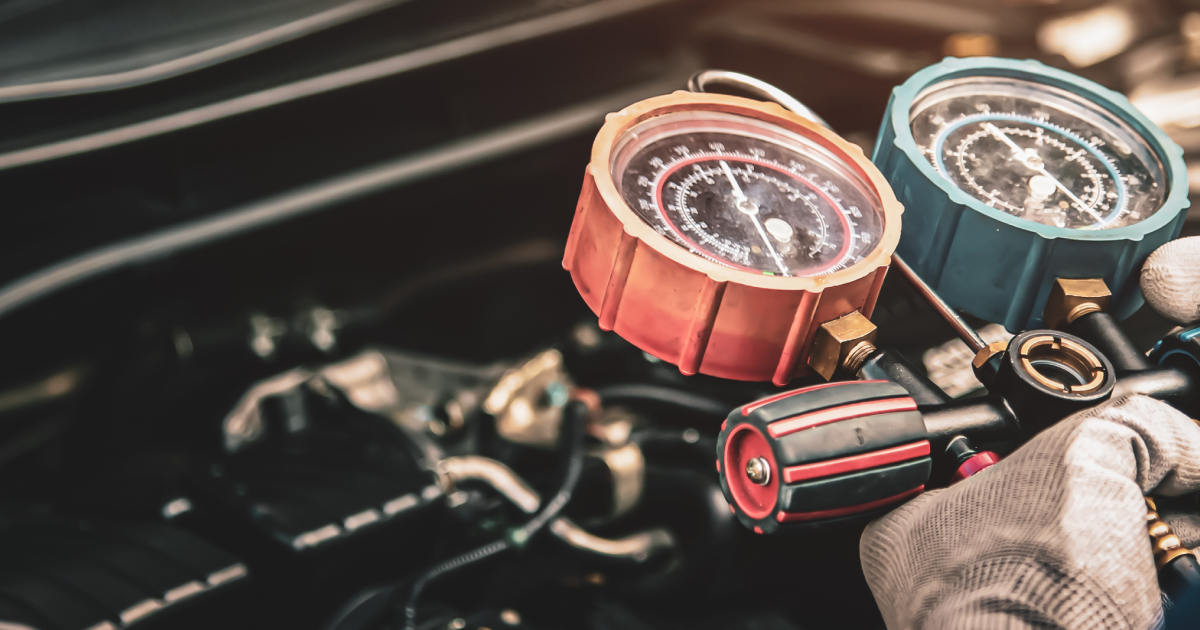
Car Air Conditioner Not Working? 7 Reasons & Fixes It’s a humid July afternoon and you’re stuck in traffic on Okemos Road near the Meridian Mall, or crawling down Grand River Avenue through East Lansing. You blast the AC and get nothing but warm, stale air. Few things are as miserable as a car air conditioner that’s not working in a Michigan summer. The good news is that most AC problems have predictable causes, and some are simple enough to fix yourself. Here’s what’s likely going on and what to do about it. 1. Low Refrigerant (Freon) Levels The number one reason car ACs stop blowing cold is low refrigerant , usually caused by a slow leak. Without enough refrigerant, the system can’t absorb and release heat properly, leaving you with warm air even when the fans are running full blast. Symptoms: – Warm or weak airflow from vents – Hissing sound from the engine bay – Oil residue near AC lines or compressor Fix: – An AC recharge kit with leak sealant can work as a temporary fix – For a permanent repair, a mechanic needs to locate and seal the leak before refilling refrigerant Note: Most vehicles use R-134a or R-1234yf refrigerant. Check your owner’s manual before attempting a DIY recharge. 2. Compressor Failure Your AC compressor is the heart of the system. It pressurizes and circulates refrigerant. When it fails, nothing moves through the system. Symptoms: – Loud clicking or grinding noise when AC is on – Warm air even on the Max Cold setting – AC clutch doesn’t engage Fix: Replace the compressor and dryer assembly, and flush the old refrigerant lines before reinstallation. Cost: $700 to $1,200 on average (parts and labor). 3. Clogged Cabin Air Filter Sometimes the AC system is fine and the problem is just blocked airflow. Your cabin air filter traps dust, pollen, and road debris. After a Michigan winter and a pollen-heavy spring in the Lansing area, it can clog completely and restrict cool air from reaching your vents. Symptoms: – Weak or uneven airflow from vents – Musty or dusty smell when AC kicks on – Weird noises when changing fan speed Fix: Replace the cabin air filter every 12 months or 12,000 miles. Most are behind the glovebox or under the dash. It’s a 10-minute DIY job that costs $10 to $25. 4. Faulty AC Condenser The condenser cools refrigerant gas back into liquid. If it’s blocked by debris or damaged by road debris, it can’t dissipate heat, causing poor cooling performance. Symptoms: – AC works at highway speeds but not at idle (like when you’re parked at the Meridian Mall or waiting at a light on Trowbridge Road) – Visible debris or bent fins on the front grille Fix: Clean debris with compressed air. Replace if punctured or leaking ($400 to $900). 5. Electrical or Relay Problems Modern AC systems rely on relays, fuses, and sensors. A blown fuse or bad relay can disable the compressor or fans even when the rest of the system is intact. Symptoms: – AC doesn’t turn on at all – No sound from the compressor – AC button light on the dashboard doesn’t illuminate Fix: Check fuses and relays in the fuse box. Replace any blown fuses with matching amperage. Inspect pressure switches and thermistors. 6. Faulty Blend Door Actuator Inside your dashboard, blend doors control temperature by mixing hot and cold air. If the small motor (the actuator) fails, cold air gets blocked even when the AC system is working perfectly. Symptoms: – Temperature doesn’t change when you adjust the dial – Clicking or knocking sound under the dashboard – Warm air from one vent, cold from another Fix: Replace the blend door actuator ($200 to $400). 7. Leaking AC Lines Rubber AC hoses can dry out and crack over time, especially after harsh Michigan winters. Even a slow refrigerant leak will eventually cause system failure. Symptoms: – Oil stains near compressor fittings or under the hood – Frequent need to recharge AC Fix: Use UV dye to locate the leak, then replace the damaged lines or seals. Quick Diagnosis Chart
Why Is My Check Engine Light On? What It Means & What to Do Few things strike fear into drivers like seeing that little amber engine icon pop up on the dashboard while you’re rolling through Haslett, heading down Okemos Road past the Meridian Mall, or merging onto US-127 for the morning commute. Sometimes it’s a minor sensor glitch. Other times, it’s a warning of something more serious. Either way, your car is trying to tell you something , and the longer you ignore it, the more expensive it tends to get. Here’s what every Greater Lansing driver needs to know about the check engine light. What the Check Engine Light Actually Means Your check engine light is part of your car’s On-Board Diagnostics System (OBD-II). Whenever the vehicle detects an issue affecting emissions, engine performance, or safety, it triggers the light and stores a trouble code in the computer. These codes can point to something minor (a loose gas cap) or something serious (catalytic converter failure). The only way to know is to read the code. Solid vs. Flashing: Know the Difference Solid light: A moderate issue. Safe to drive for now, but get it checked within a few days. Examples: loose gas cap, faulty O2 sensor, bad spark plug. Flashing light: A serious active misfire or risk of immediate damage. Pull over and stop driving. Call a mechanic. Think of it this way: solid means “see a doctor soon” and flashing means “go to the ER now.” 10 Most Common Causes 1. Loose or Faulty Gas Cap The number one cause of check engine lights. If your gas cap is loose, cracked, or missing, fuel vapors leak and trigger an emissions warning. Fix: Tighten the cap until it clicks. Replace if cracked (usually under $20). The light may clear on its own after 1 to 2 days of driving. 2. Oxygen (O2) Sensor Failure O2 sensors measure oxygen levels in your exhaust. A failed sensor causes inefficient fuel burning and poor gas mileage. Fix: Replace the faulty sensor ($100 to $300 parts and labor). 3. Catalytic Converter Problems The catalytic converter reduces harmful emissions. When it clogs or fails, exhaust cannot flow properly. Symptoms: Rotten egg smell, reduced acceleration, poor fuel economy. Fix: Replacement typically runs $900 to $2,000. Prevent it by fixing misfires and bad sensors early. 4. Faulty Spark Plugs or Ignition Coils Bad spark plugs or coils cause engine misfires, creating shaking, reduced power, and a flashing check engine light. Fix: Replace spark plugs every 30,000 to 60,000 miles. Replace ignition coils if misfire codes (P0300 to P0308) appear. 5. Faulty Mass Airflow (MAF) Sensor The MAF sensor tells the computer how much air enters the engine. If it’s dirty or broken, your car may stall or run poorly. b Clean with MAF cleaner spray or replace ($150 to $350). 6. EGR Valve or Vacuum Leak The Exhaust Gas Recirculation (EGR) system recycles exhaust to lower emissions. A stuck valve or leaking vacuum hose will trigger the CEL. Fix: Replace cracked hoses or clean and replace the EGR valve. 7. Bad Fuel or Clogged Injectors Dirty fuel, water in the tank, or clogged injectors can cause misfires or lean conditions. Fix: Add fuel injector cleaner to your tank. Use Top-Tier gasoline to prevent buildup. Persistent issues may need professional injector cleaning. 8. Transmission or EVAP System Issues Modern transmissions are computer-controlled. A stuck solenoid or low fluid pressure can trigger the CEL. The EVAP system, which manages fuel vapor, is another frequent culprit. Fix: Check transmission fluid levels. Replace cracked EVAP hoses or a worn gas cap. 9. Battery or Charging Problems A dying battery or failing alternator can trigger multiple system errors including the check engine light, especially before a Michigan winter hits. Fix: Test battery and alternator output. Clean corroded terminals. Replace weak batteries proactively. 10. Sensor or Software Glitches Sometimes the problem is electrical noise or a software bug rather than a mechanical failure. Fix: Disconnect the battery for 10 minutes to reset the system. If the light returns, have it scanned. Is It Safe to Keep Driving?
Cost Breakdown Over 2 Years When tires need replacing, many drivers face a familiar dilemma: “Should I save money with used tires — or pay more for new ones?” At first glance, used tires look like the obvious win. They’re cheaper upfront and easy to find. But when you zoom out and look at real costs over time , the math often tells a very different story — especially on Michigan roads. This guide breaks down the true 2-year cost of used tires vs new tires , including safety risks, replacement frequency, and what Lansing-area drivers actually experience after winter, potholes, and rough pavement. Are Used Tires Cheaper Than New Tires Over 2 Years? Used tires usually cost less upfront but often cost more over a 2-year period due to shorter lifespan, uneven wear, higher failure risk, and earlier replacement. New tires typically last longer, perform better in Michigan weather, and provide a lower cost per mile for most drivers Why This Comparison Matters in Michigan Michigan is one of the toughest environments for tires in the country. Factors that shorten tire life here: Freeze–thaw potholes Rough pavement on roads like I-96, US-127, and Grand River Avenue Winter braking and acceleration Alignment damage from road impacts A tire that might last years in another state can fail much sooner in the Greater Lansing Area — especially if it already has wear. Typical Upfront Cost: Used Tires vs New Tires Used Tires (Per Tire) $40–$80 per tire Often sold “as-is” Installation usually extra New Tires (Per Tire) $140–$250 for mid-range, Michigan-appropriate tires Full tread Known age and history Warranty coverage At checkout, used tires look like a bargain. But upfront cost is only part of the equation. The 2-Year Cost Breakdown Let’s compare two Lansing drivers with similar vehicles. Scenario A: Used Tires Initial purchase: 4 used tires @ $60 = $240 Installation: $100 Total upfront cost: $340 What often happens next: Uneven wear appears within months Winter traction is poor One tire develops a leak or belt issue Tires last 8–12 months on average 2-Year Reality: Second replacement needed within 2 years Another $300–$400 spent Total 2-year cost: $640–$740 Scenario B: New Tires Initial purchase: 4 mid-range tires @ $170 = $680 Installation included or minimal extra Total upfront cost: $700–$800 What usually happens: Even wear Better winter traction Fewer issues Tires last 3–5 years with proper care 2-Year Reality: No replacement needed Lower stress Total 2-year cost: $700–$800 👉 Over time, the cost difference nearly disappears — but the safety difference does not. Cost Per Mile: The Number Most Drivers Never Calculate Used Tires Short remaining lifespan Higher wear rate Lower traction Higher cost per mile , even if initial price is low. New Tires Full tread Predictable wear Longer service life Lower cost per mile , especially in Michigan conditions. Safety Differences That Don’t Show Up on a Receipt Used tires come with unknowns: Unknown age Unknown internal damage Unknown exposure to potholes or curbs Possible prior repairs On Michigan roads, these unknowns matter. Higher Risk With Used Tires Blowouts Hydroplaning Poor snow traction Longer stopping distances These risks increase during: Heavy rain Snowstorms Highway driving Why Used Tires Wear Out Faster in Michigan Even lightly worn tires struggle here. Reasons include: Cold temperatures harden rubber Rough pavement accelerates tread loss Alignment issues amplify uneven wear Winter driving stresses already-worn tread A used tire that looks “fine” in summer may become unsafe quickly once winter hits. Warranty & Protection: A Hidden Cost Factor Used Tires Usually no warranty No tread life guarantee No protection against defects New Tires Manufacturer warranties Tread life ratings Defect coverage If something goes wrong, new tires often cost nothing to replace under warranty — used tires don’t. When Used Tires Might Make Sense Used tires are not always the wrong choice. They may be reasonable if: The vehicle will be sold soon It’s a temporary car The driver rarely uses highways Budget constraints leave no alternative Even then, they should be: Inspected carefully Used short-term Replaced before winter if possible When New Tires Are the Smarter Choice New tires are usually the better option if: You drive daily You commute in winter You travel highways like I-96 or US-127 You want predictable performance You want to avoid repeated tire problems For most Lansing drivers, this describes everyday life. Used Tires and Emergency Replacements Many drivers turn to used tires after: A sudden blowout Pothole damage Unexpected repair expense In emergencies, used tires can be a stopgap — but they shouldn’t become a long-term solution. The Psychological Trap: “Saving Money Now” Used tires feel cheaper because: The number at checkout is lower Replacement feels immediate Long-term costs feel abstract But over two years, many drivers end up: Paying twice Replacing sooner Dealing with more stress That’s not saving — it’s deferring cost. Michigan Winter: The Deal Breaker Tread depth matters more here than most places. Used tires often start: Below ideal winter tread depth With uneven wear With reduced cold-weather grip That combination is risky once snow and ice arrive. How to Decide: Used or New? Ask yourself: How long do I plan to keep this vehicle? Do I drive in winter? Do I use highways regularly? Can I afford replacing tires twice? If the answer to any of those is “yes,” new tires usually win long-term. Honest Tire Advice in the Greater Lansing Area Not sure which option makes sense for your situation? A&D Auto Repair helps drivers in: Lansing East Lansing Haslett Okemos Holt DeWitt We’ll: Compare used vs new honestly Inspect tire condition Explain real costs Help you choose the safest, smartest option — without pressure 👉 Schedule a tire consultation today and make the choice that fits your budget and your safety. . Final Takeaway: Cheap Upfront Isn’t Always Cheaper Long-Term Used tires can look like a deal — until you factor in: Short lifespan Earlier replacement Increased risk Michigan road conditions Over two years, new tires often cost the same — or less — while delivering far better safety and peace of mind.
Cost, Safety, and Best Places to Buy Tires Our tire replacement guide for Michigan drivers. We replace tires differently than drivers anywhere else in the country. Between freeze–thaw potholes , crumbling pavement on I-96, US-127 , and Grand River Avenue , and long winters that destroy tread faster than expected, tires in the Greater Lansing Area don’t fail quietly — they fail suddenly. This guide breaks down everything you need to know about tire replacement , including: When tires actually need to be replaced (not just what manufacturers say) Real tire costs in 2026 Safety risks most drivers overlook Where to buy tires — and where not to How Michigan road conditions shorten tire life If you drive in Lansing, East Lansing, Haslett, Okemos, Holt, or DeWitt , this guide was written for you. When Do You Need New Tires? Most drivers need to replace their tires every 3–5 years or 30,000–60,000 miles, but in Michigan, rough roads and winter driving often shorten tire life by 15–25%. If your tread depth is below 4/32”, your tires are over 6 years old, or you notice vibration, pulling, or visible damage, replacement is recommended for safety. Why Tire Replacement Is More Critical in Michigan Michigan ranks among the worst states for road quality — and the Lansing area is no exception. Every winter, water seeps into pavement cracks, freezes, expands, and creates potholes. When you hit one near Lake Lansing Road or Jolly Road, the damage isn’t always visible immediately. Common Michigan-specific tire damage includes: Internal belt separation Sidewall bubbles Accelerated shoulder wear from misalignments Cold-weather rubber hardening This is why tires that “should last” 60,000 miles often don’t make it past 45,000 here. How Often Should You Replace Tires? Mileage Guidelines (Realistic for Michigan) Economy tires: 30,000–40,000 miles Mid-range all-season tires: 40,000–55,000 miles Premium tires: 50,000–65,000 miles Age Guidelines (Non-Negotiable) 6 years: Rubber begins degrading 10 years: Unsafe — replace immediately Even if tread looks fine, older tires lose grip in cold and wet conditions. Tire Tread Depth: When It Becomes Unsafe The commercial legal minimum tread depth is 2/32” , but that standard does not account for snow, slush, or heavy rain. Safe Tread Depth by Condition Dry roads: 3/32” Rain: 4/32” Snow & slush: 6/32” If you regularly drive outside the city or on untreated roads in Haslett or rural Clinton County , deeper tread isn’t optional — it’s safety. Visit Tire Tread Depth Chart Signs You Need New Tires Immediately Replace your tires as soon as possible if you notice: Sidewall bulges after hitting potholes Repeated low tire pressure Steering wheel vibration at highway speeds Vehicle pulling left or right Cracks or dry rot Uneven tread wear Ignoring these signs can lead to blowouts , especially at highway speeds on I-96 or US-127 . Visit 10 Signs You Need New Tires Immediately How Much Do New Tires Cost in 2026? Average Tire Prices (Per Tire) Budget: $90–$130 Mid-range (best value): $140–$200 Premium: $220–$350 Full Replacement (Installed) Sedans: $500–$900 SUVs/Crossovers: $700–$1,200 Trucks: $900–$1,500 Installation, balancing, disposal, and TPMS service typically add $20–$40 per tire. Read How Much Do New Tires Cost Used Tires vs New Tires: What Most Drivers Get Wrong Used tires look appealing when money is tight — but they carry serious risks. The Hidden Risks of Used Tires Unknown age and internal damage Inconsistent tread depth Higher blowout risk Shorter remaining lifespan A used tire may cost half as much up front but often lasts less than half as long — especially on Michigan roads. 👉 Cheap now = dangerous later Read More about Used Tires vs New Tires Where to Buy Tires: Online vs Big-Box vs Local Shop Online Tire Retailers Pros Easy price comparison Wide selection Cons Installation still required No local accountability No road-condition guidance Big-Box Stores (Including Walmart) Pros Low upfront prices Familiar brands Cons Long wait times Limited advice One-size-fits-all recommendations Local Auto Repair Shops (Best for Michigan) Local shops like A&D Auto Repair understand: Lansing road conditions Seasonal driving demands Proper alignment needs after pothole damage You’re not just buying tires — you’re buying fitment, safety, and longevity. The Alignment Mistake That Destroys New Tires Michigan potholes knock vehicles out of alignment constantly. If you replace tires without checking alignment: Tires wear unevenly Handling suffers Tire life drops dramatically Any vehicle that’s driven winter roads or highways like I-96 should have alignment checked with every tire replacement. What to Do If You Have a Flat Tire If you have a flat tire, pull over safely, turn on hazard lights, and avoid driving on it if possible. Driving on a flat can destroy the tire and damage the wheel, making repair impossible. Repair vs Replacement Nail in tread: Often repairable Sidewall damage: Replace Driving while flat: Usually replace How Much Does Flat Tire Repair Cost? Simple puncture repair: $20–$60 Sidewall or internal damage: Replacement required Driving even a short distance on a flat often turns a repair into a full replacement. Why Michigan Drivers Replace Tires More Often Factors unique to this area: Freeze–thaw potholes Heavy winter braking Rough secondary roads Misalignment from road impacts If your tires wear out “too fast,” it’s not your imagination — it’s Michigan. Need tires installed in Haslett, East Lansing, or Lansing? At A&D Auto Repair , we: Inspect tread depth and tire age Check for pothole-related damage Recommend tires that last on Michigan roads Install and align properly 👉 Book a tire check today and avoid unsafe surprises on the road. Final Takeaway: Tires Are Safety Equipment Tires aren’t just another maintenance item — they control: Braking distance Steering response Winter traction Blowout risk Choosing the right tires — and replacing them at the right time — is one of the most important safety decisions you make as a driver. And in the Greater Lansing Area, local experience matters.
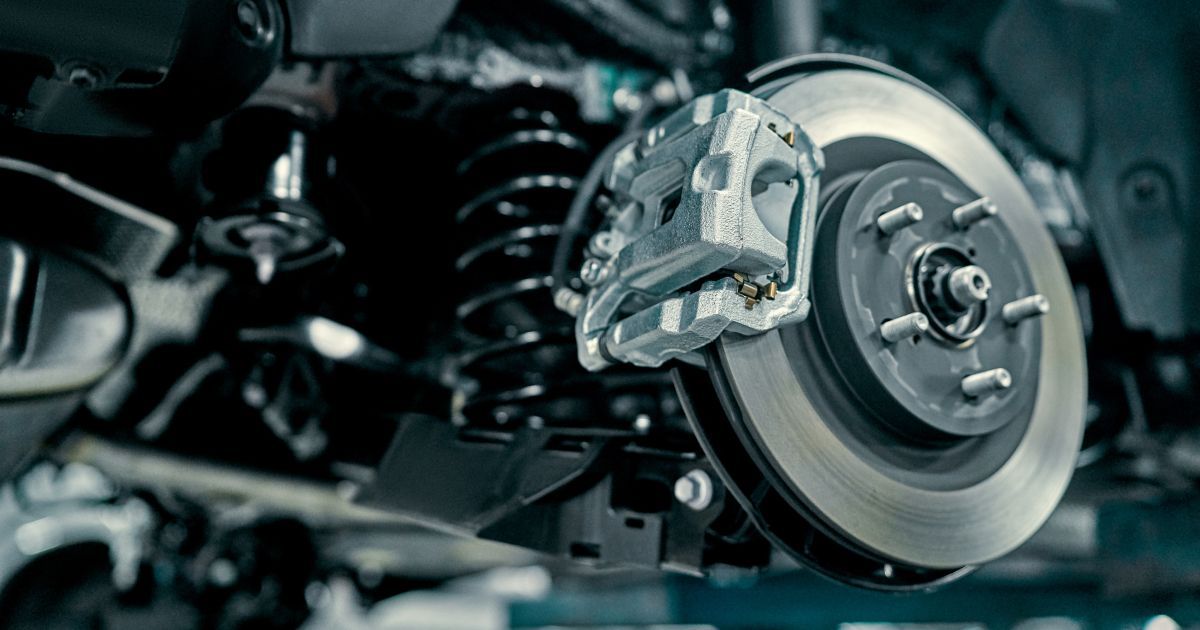
How Much Does Brake Repair Cost in Ingham County, MI? If your brakes are starting to squeak, grind, or just feel off, your next question is probably this: “How much is brake repair going to cost me?” The answer? It depends, but in 2025, prices are rising across Ingham County, MI. And that’s not a bad thing. Drivers are demanding better parts, better workmanship, and longer-lasting results. Reputable shops are delivering. That means costs are adjusting to reflect a higher standard of care and safety. This guide will walk you through: What local brake repairs typically cost What affects the price Why prices are trending upward How to know you’re getting the right value Brake Repair Costs in Ingham County (What’s Normal in 2025) If you’re comparing quotes in the Lansing, Holt, or East Lansing area, here’s what you can expect to pay for professional brake repair at a quality shop in Ingham County: